
The Connection Between Labor Day and Social Security
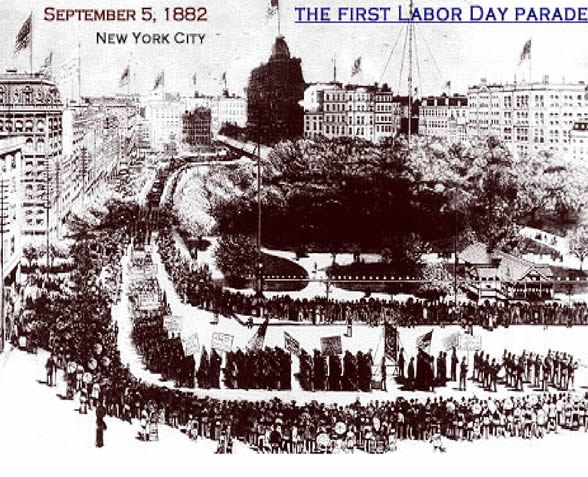
Today is Labor Day. While for many this holiday marks the unofficial end of summer, it’s really a day dedicated to honoring the contributions and sacrifices of American workers who fought for fair wages, safer workplaces, and reasonable working hours.
According to a blog post by Parmele Disability Advocates, its roots date back to the late 19th century when industrialization was booming across the United States. Growing factories, railroads, and mills created harsh working conditions, with many laborers, including children, working 12-hour days, seven days a week, often in unsafe and exhausting environments.
Labor unions began organizing strikes and rallies to demand better treatment, fair pay, and safer workplaces. On September 5, 1882, thousands of workers in New York City marched to demand improved conditions. That event sparked similar demonstrations across the country as the labor movement gained momentum.
In 1894, Congress passed legislation making Labor Day a national holiday. President Grover Cleveland signed it into law, designating the first Monday in September as a day to honor the American workforce.
On Labor Day, in addition to celebrating the contributions of American workers, we need to recognize that their wages are supporting our Social Security program through payroll taxes. Some consider Social Security benefits to be a form of deferred compensation because workers receive benefits after they retire. That is why it is critically important to protect this vital program.
The Seniors Trust believes a viable solution to solving Social Security’s solvency issue already exists. We are committed to encouraging lawmakers to enact the Social Security Expansion Act. This landmark piece of legislation will give retirees an immediate increase of about $200 a month in benefits, a fair annual cost-of-living adjustment (COLA), increased minimum benefits, and, perhaps most important, ensure the long-term solvency of the Social Security program for decades to come.